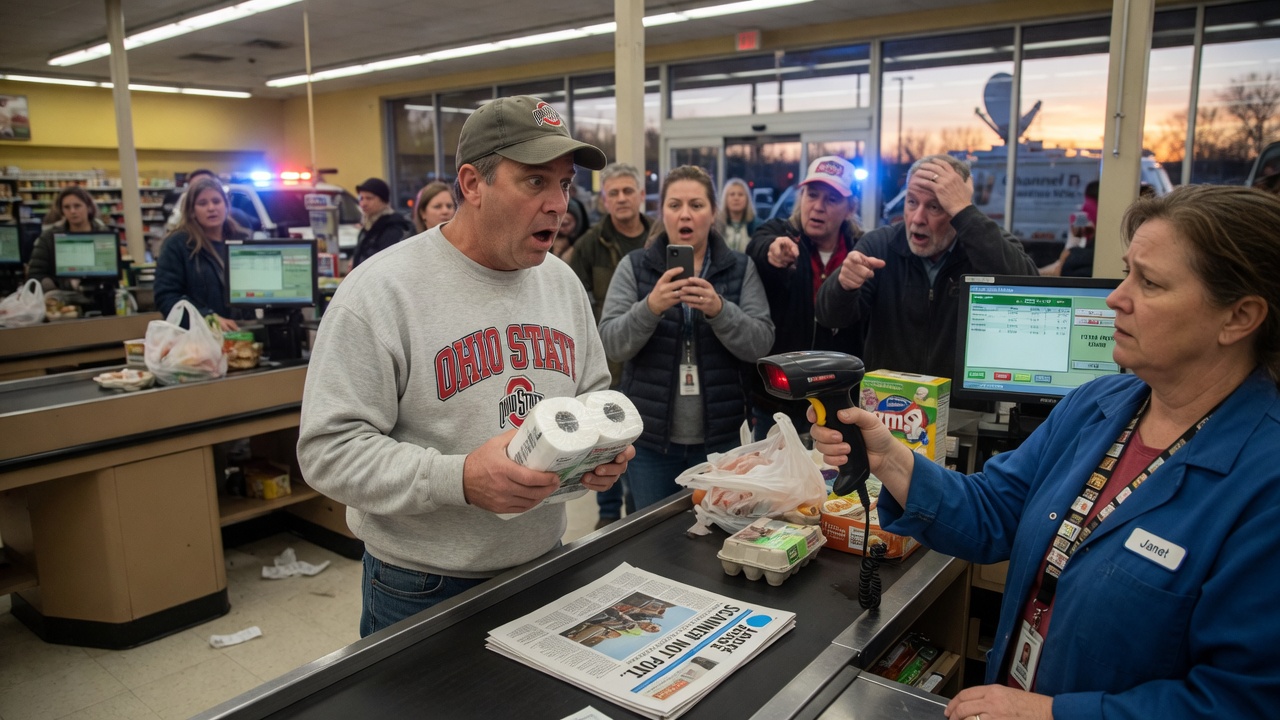
AMERICANS DISCOVER BOLD NEW STRATEGY: BUYING FEWER THINGS
Retail sales post sharpest drop in a year as consumers pioneer the radical concept of not spending money they don't have.
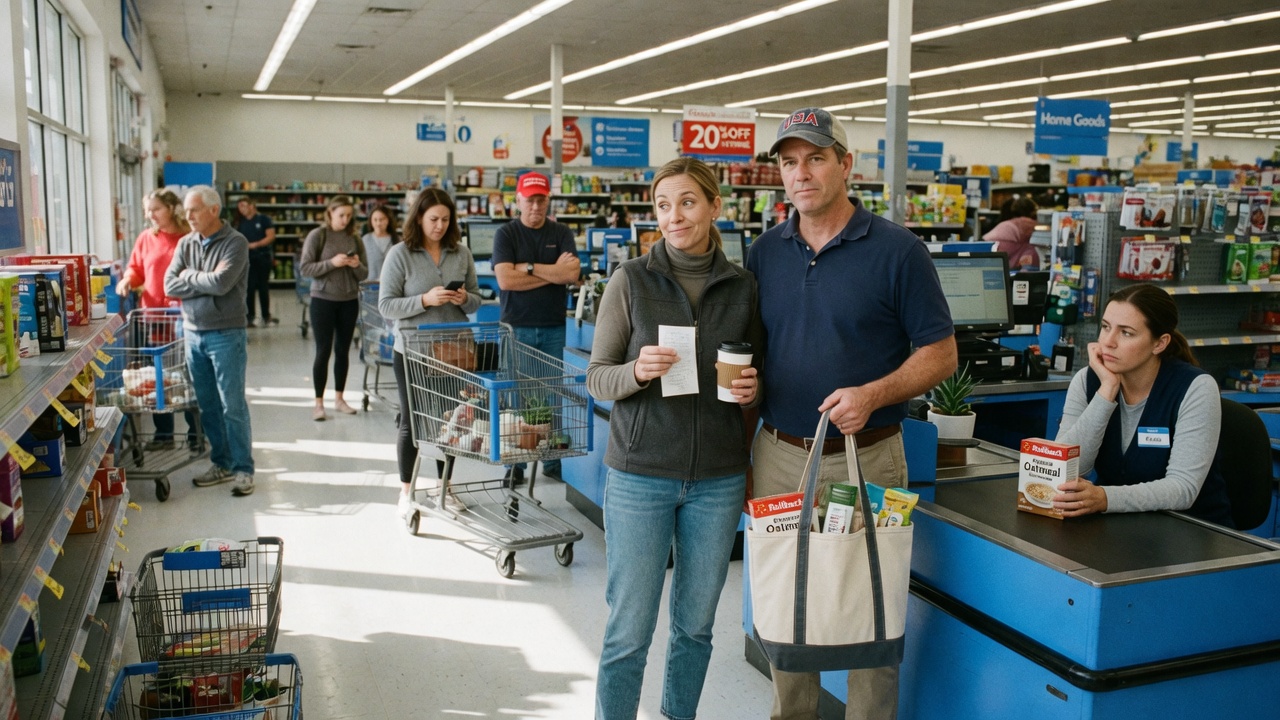
Retail sales fell 0.6% in July, the steepest decline in over a year, after economists confidently predicted a slight gain and were, once again, wrong in a professional capacity. Analysts have taken to describing the phenomenon as 'consumers consuming less,' a phrase they swear is a technical term and not simply the headline read back to you in a somber voice.
At a suburban Ohio Target, the only sections showing signs of life are canned beans and the phone chargers that snap after nine days of use, while the seasonal patio furniture display sits untouched like a shrine to a more optimistic quarter. 'I've cut back on nonessentials,' said one shopper, defining nonessentials as 'anything that isn't diesel,' before loading forty dollars of gas into a tank that used to cost twenty-two. Online sales and auto purchases were hit hardest, suggesting Americans have also pioneered the concept of not buying a car when a tank of gas already feels like a car payment.
'Households are reallocating discretionary spend toward the highly non-discretionary category of existing,' said retail analyst Marcy Feldman, revising her third-quarter growth forecast downward for the third time before lunch and reportedly for a fourth time somewhere around dessert. Economists insist the drop is a temporary blip tied to fading tax-refund euphoria and 'ongoing global events,' a category now broad enough to include wars, pipelines, and whatever caused the price of a rotisserie chicken to feel like a personal insult. The patio furniture, for its part, remains on sale, unbought, and quietly furious.