
WALL STREET STUNNED TO LEARN DISTANT WATERWAY AFFECTS GAS PRICES
Markets rediscover geopolitics for the fifth time in seven years, react with fresh, screaming horror.
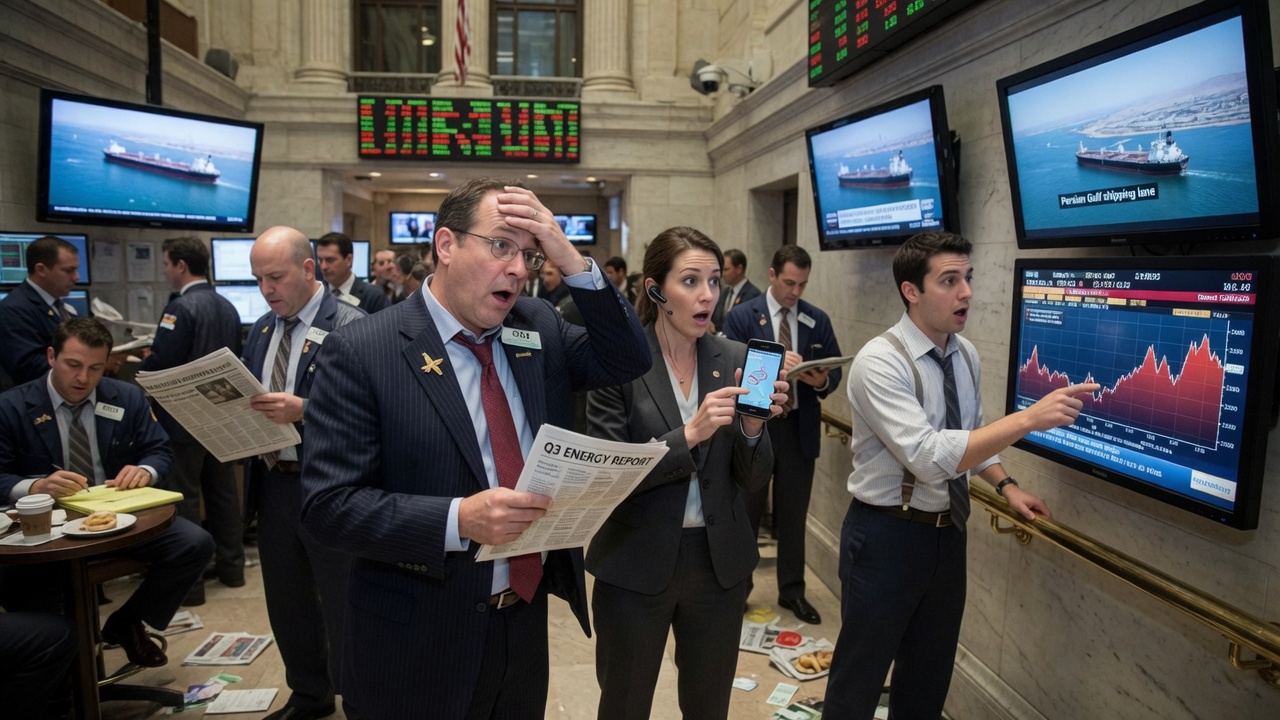
Oil prices jumped as much as 5% Tuesday after traders realized, seemingly for the first time, that a narrow strait 7,000 miles away with 'strait' literally in its name might affect the cost of filling up a Honda Civic in Cleveland. The epiphany arrives fully formed and screaming roughly every eighteen months, always accompanied by chyrons suggesting the global economy has never before considered that boats sometimes cannot get places.
Commuters, for their part, have already adjusted, slotting a new 'Hormuz premium' into their daily math somewhere between 'I-95 is a parking lot' and 'do I have enough gas to regret this career.' Financial analysts describe the current climate as a once-in-a-generation risk event, a phrase they last used in March, and before that in October, and before that at a point nobody can quite recall but definitely felt unprecedented at the time.
'This volatility is totally unprecedented,' said trading-floor analyst Chad Bristow, refreshing a WTI chart like it owed him child support, while acknowledging he'd used the identical sentence for the previous four unprecedented events. Bristow added that markets are also closely monitoring upcoming inflation data, gravity, and the sun rising in the east, all of which remain, in his professional assessment, 'developing situations.'